 Skip to content
Warning signs of mold toxicity in Stone Mountain, Georgia often develop gradually, which is exactly what makes them so easy to overlook until symptoms become disruptive.
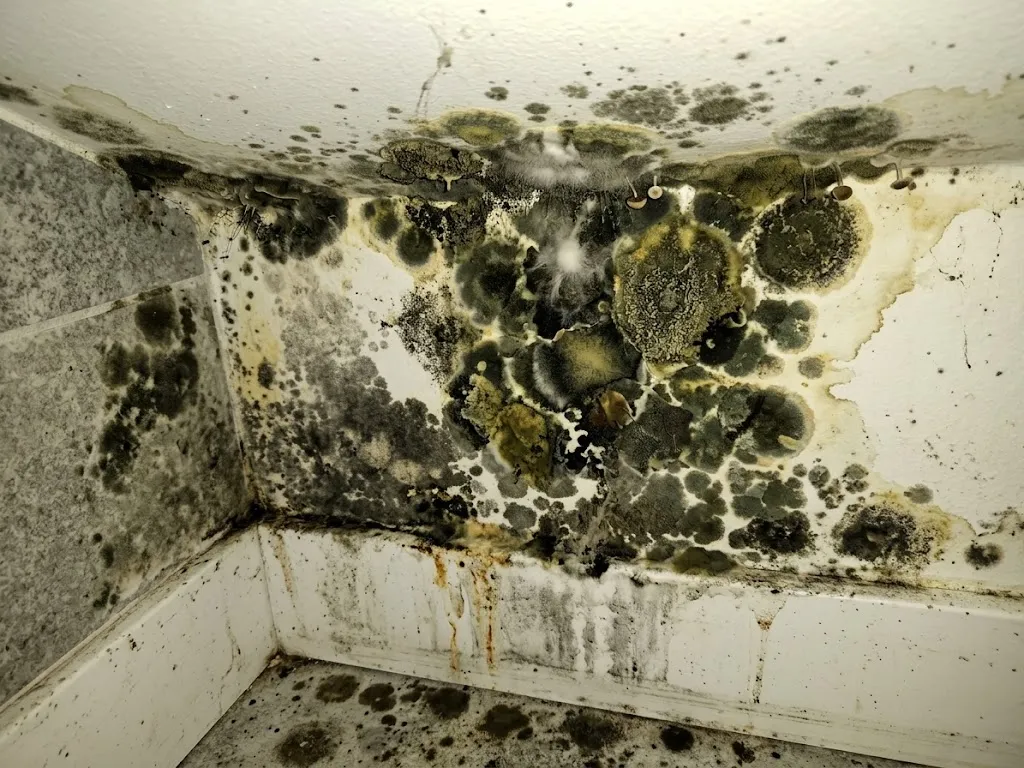
This guide covers the 10 warning signs most frequently associated with prolonged mold exposure in the home, explains what the term “mold toxicity” does and doesn’t mean medically, and outlines what to do if your home may be the source.
You’ll also learn why Georgia’s climate creates elevated mold risk, how to distinguish home-related symptoms from other causes, and how a certified inspection from Air Drop Water Restoration can identify whether your property is contributing to the problem. This content is educational and does not replace professional medical evaluation.
It’s important to note upfront that “mold toxicity” is a term used popularly to describe symptoms some people associate with prolonged exposure to mold and its byproducts, but it is not a formally standardized medical diagnosis, and research on the topic continues to evolve.
This article is educational and is not a substitute for professional medical evaluation, if you’re experiencing concerning symptoms, please consult a healthcare provider. What we can help with is identifying and addressing mold in your home that may be contributing to poor indoor air quality.
Concerned mold may be affecting your Stone Mountain home? Read our Mold Testing Near Me guide, or call Air Drop Water Restoration at +1 (678)-374-9247 to schedule an inspection.
Understanding Mold Toxicity vs. Mold Allergy
Mold-related health effects generally fall into two categories: allergic and irritant reactions to mold spores, which are well-documented by the CDC and EPA, and a broader, more contested set of symptoms sometimes attributed to mycotoxins produced by certain mold species, which is an area of ongoing scientific discussion.
Regardless of which category applies, the practical first step is the same: identify whether mold is present in your home and remove it.
What Are the Warning Signs of Mold Toxicity?
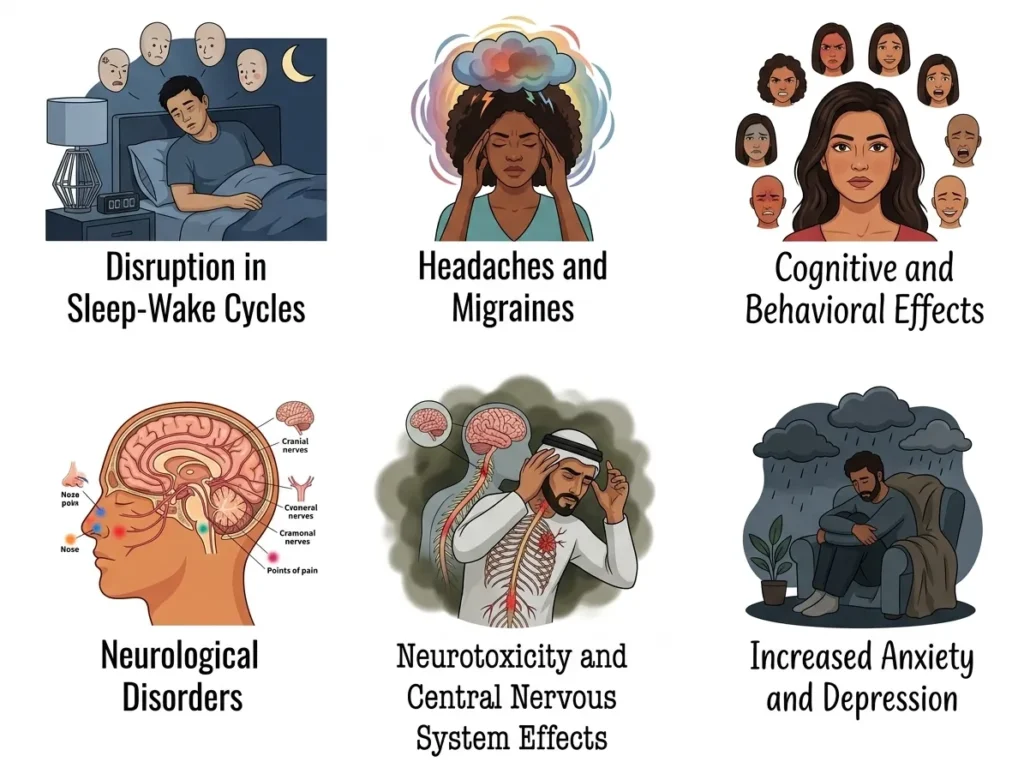
Commonly reported warning signs associated with prolonged mold exposure include chronic fatigue, brain fog or difficulty concentrating, persistent headaches, respiratory issues, sinus problems, joint or muscle pain, mood changes, skin irritation, sensitivity to light, and digestive discomfort. These symptoms are non-specific and can have many other causes, so professional evaluation is important.
10 Warning Signs Associated with Mold Toxicity in Stone Mountain, Georgia Homes
1. Chronic, Unexplained Fatigue
Persistent tiredness that doesn’t improve with rest and doesn’t have another clear explanation is one of the most frequently reported symptoms associated with prolonged mold exposure.
2. Brain Fog and Difficulty Concentrating
Some individuals report trouble focusing, memory lapses, or a general sense of mental cloudiness that improves when spending extended time away from a suspected mold-affected environment.
3. Persistent Headaches
Recurring headaches, sometimes described as pressure-like, have been associated with ongoing exposure to mold and the compounds some mold species release.
4. Respiratory Issues
Chronic coughing, wheezing, or shortness of breath, particularly in individuals with asthma or other respiratory sensitivities, is a well-documented response to mold exposure according to the EPA.
5. Chronic Sinus Problems
Ongoing congestion, sinus pressure, or recurring sinus infections that don’t resolve with typical treatment can be associated with continued exposure to an indoor mold source.
6. Joint and Muscle Pain
Some individuals report unexplained joint or muscle discomfort in connection with prolonged exposure to mold-affected environments, though this symptom is non-specific and has many other possible causes.
7. Mood Changes, Anxiety, or Irritability
A subset of individuals report increased anxiety, irritability, or mood changes that they associate with time spent in a mold-affected home, improving after remediation or time away.
8. Skin Irritation and Rashes
Direct or airborne exposure to mold spores can cause skin irritation, redness, or itching in sensitive individuals.
9. Light Sensitivity
Some individuals report increased sensitivity to bright light in connection with prolonged mold exposure, though this symptom, like several others on this list, is non-specific.
10. Digestive Discomfort
Nausea, stomach discomfort, or other digestive symptoms have been reported by some individuals in connection with mold exposure, though this association is less well-established than respiratory effects.
Important: Every symptom on this list can also result from numerous unrelated conditions, and this list is not a diagnostic tool.
If you’re experiencing several of these signs, especially in combination with a musty odor, visible mold, or a history of water damage in your home, the appropriate steps are to consult a healthcare provider about your symptoms and schedule a professional mold inspection of your property.
Contemplating on Signs of Mold Toxicity in Stone Mountain, Georgia Atlanta, Call Air Drop Water Restoration on +1 (678)-374-9247 for inspection fast.
Why These Symptoms Are Often Missed in Stone Mountain, Georgia

Georgia’s long pollen season, humid climate, and frequent respiratory irritants make it genuinely difficult to isolate mold-related symptoms from ordinary seasonal allergies or general fatigue. Several local factors make this even more complicated:
- Year-round humidity means many Stone Mountain homes have some level of ongoing moisture concern, making mold exposure a near-constant background possibility rather than an isolated event.
- Hidden mold in crawl spaces and HVAC systems common in older DeKalb County homes can circulate spores throughout a house without any visible growth in living areas.
- Overlap with allergy season in Georgia can mask or mimic mold-related symptoms for much of the year.
- Gradual onset of symptoms means many homeowners adjust to feeling slightly unwell without recognizing a pattern until it’s pointed out.
Checklist: Evaluating Whether Your Home May Be a Source
- Do your symptoms improve noticeably when you’re away from home for several days?
- Has your home experienced past water damage, leaks, or flooding?
- Do you notice a musty or earthy odor in any part of the home?
- Are there visible signs of mold, staining, or discoloration on walls, ceilings, or in crawl spaces?
- Does your home have a basement or crawl space with limited ventilation?
- Has your HVAC system been inspected or cleaned recently?
If you answered yes to several of these, especially alongside symptoms from the list above, scheduling a professional mold inspection is a reasonable next step, alongside consulting a healthcare provider about your symptoms directly.
Ready to find out if mold is affecting your Stone Mountain home? Contact Air Drop Water Restoration or call +1 (678)-374-9247 to schedule a certified inspection.
What to Do If You Suspect Mold Toxicity Warning Signs
- Consult a healthcare provider about your symptoms first and foremost, this article does not replace medical evaluation.
- Document your symptoms and their timing, noting whether they improve away from your home.
- Inspect commonly overlooked areas like crawl spaces, attics, and behind large furniture for musty odors or visible growth.
- Schedule a professional mold inspection to test air quality and identify potential hidden sources.
- If mold is confirmed, proceed with professional remediation to remove the source and correct the underlying moisture problem.
- Request clearance testing after remediation to confirm the issue has been resolved.
Expert Tips: Reducing Mold Risk in Your Stone Mountain Home
- Maintain indoor humidity below 50% with a dehumidifier, particularly in below-grade spaces.
- Have your HVAC system professionally inspected if you notice a musty smell when it runs.
- Address water intrusion immediately. Mold can begin developing within 24 to 48 hours of sustained moisture.
- Check crawl spaces and attics at least annually, since these are the most commonly overlooked mold locations in Georgia homes.
- Don’t rely on odor alone. Some mold growth produces minimal smell but can still affect air quality.
Contemplating on Signs of Mold Toxicity in Stone Mountain, Georgia Atlanta, Call Air Drop Water Restoration on +1 (678)-374-9247 for inspection fast.
Frequently Asked Questions About Warning Signs of Mold Toxicity in Stone Mountain, Georgia, Atlanta
Is “mold toxicity” a recognized medical diagnosis?
“Mold toxicity” is a term used popularly to describe a range of symptoms some people associate with mold exposure, but it is not a standardized medical diagnosis, and the scientific understanding of mycotoxin-related illness continues to evolve. Allergic and respiratory reactions to mold, by contrast, are well-documented by organizations like the CDC and EPA.
Contemplating on Signs of Mold Toxicity in Stone Mountain, Georgia Atlanta, Call Air Drop Water Restoration on +1 (678)-374-9247 for inspection fast.
What are the most commonly reported warning signs of mold toxicity?
Commonly reported signs include chronic fatigue, brain fog, persistent headaches, respiratory issues, sinus problems, joint or muscle pain, mood changes, skin irritation, light sensitivity, and digestive discomfort.
Contemplating on Signs of Mold Toxicity in Stone Mountain, Georgia Atlanta, Call Air Drop Water Restoration on +1 (678)-374-9247 for inspection fast.
How can I tell if my symptoms are related to mold in my Stone Mountain home?
A key indicator is whether symptoms consistently improve when you’re away from the property for an extended period and return when you’re back home, particularly alongside a musty odor or known water damage history.
Contemplating on Signs of Mold Toxicity in Stone Mountain, Georgia Atlanta, Call Air Drop Water Restoration on +1 (678)-374-9247 for inspection fast.
Should I see a doctor if I suspect mold toxicity symptoms?
Yes. A healthcare provider can evaluate your symptoms directly and help determine whether further investigation, including of your home environment, is appropriate.
Contemplating on Signs of Mold Toxicity in Stone Mountain, Georgia Atlanta, Call Air Drop Water Restoration on +1 (678)-374-9247 for inspection fast.
Can hidden mold in a Stone Mountain home cause symptoms without any visible growth?
Yes. Mold growing in crawl spaces, wall cavities, or HVAC systems may not be visible in living areas but can still affect indoor air quality throughout the home.
Contemplating on Signs of Mold Toxicity in Stone Mountain, Georgia Atlanta, Call Air Drop Water Restoration on +1 (678)-374-9247 for inspection fast.
What should I do first if I suspect mold toxicity warning signs?
Consult a healthcare provider about your symptoms, and separately schedule a professional mold inspection of your home to determine whether an indoor mold source may be present.
Contemplating on Signs of Mold Toxicity in Stone Mountain, Georgia Atlanta, Call Air Drop Water Restoration on +1 (678)-374-9247 for inspection fast.
Does removing mold from my home resolve mold toxicity symptoms?
Many individuals report symptom improvement after mold is professionally removed and the moisture source is corrected, though outcomes vary and any health concerns should continue to be managed with a healthcare provider.
Contemplating on Signs of Mold Toxicity in Stone Mountain, Georgia Atlanta, Call Air Drop Water Restoration on +1 (678)-374-9247 for inspection fast.
How is mold toxicity different from a simple mold allergy?
A mold allergy is a well-documented immune response to mold spores, typically causing sneezing, congestion, and eye irritation. “Mold toxicity” is a broader, less formally defined term sometimes used to describe a wider range of symptoms some individuals associate with prolonged exposure, an area with less scientific consensus.
Contemplating on Signs of Mold Toxicity in Stone Mountain, Georgia Atlanta, Call Air Drop Water Restoration on +1 (678)-374-9247 for inspection fast.
Conclusion: Take Warning Signs Seriously and Get Your Stone Mountain Home Inspected
Warning signs of mold toxicity in Stone Mountain, Georgia are easy to dismiss individually, but when several signs cluster together and consistently track with time spent at home, it’s worth investigating both with a healthcare provider and with a certified mold inspection.
Air Drop Water Restoration has helped homeowners across Stone Mountain, Tucker, Decatur, and metro Atlanta identify and remove hidden mold sources since 2012, giving families the clarity and clean indoor air quality they deserve.
If these warning signs sound familiar and you suspect your Stone Mountain home might be contributing to the problem, don’t wait to find out. A certified mold inspection can give you the answers you need to move forward with confidence.
If these warning signs sound familiar, call Air Drop Water Restoration today at +1 (678)-374-9247 to schedule a professional mold inspection of your Stone Mountain home.