 Skip to content
What does mold smell like, and how do you tell it apart from a normal musty basement or an old, closed-up room?
This guide breaks down the distinct earthy, musty odor mold produces, why it happens, how it differs from mildew and other household smells, and where in a Stone Mountain, Georgia home that smell most commonly originates.
You’ll also learn why some mold growth produces little to no odor at all, what to do the moment you notice a suspicious smell, and how Air Drop Water Restoration’s certified inspectors trace odors back to their source across metro Atlanta homes. If your nose is telling you something’s off, this article helps you figure out what to do next.
What does mold smell like? Most people describe it as musty, earthy, damp, or stale, similar to wet cardboard, old newspapers, or a basement that’s been closed up too long.
This guide breaks down exactly what mold smells like, why it produces that odor, how to tell it apart from similar smells like mildew or general dampness, and what steps to take once you notice it in your home.
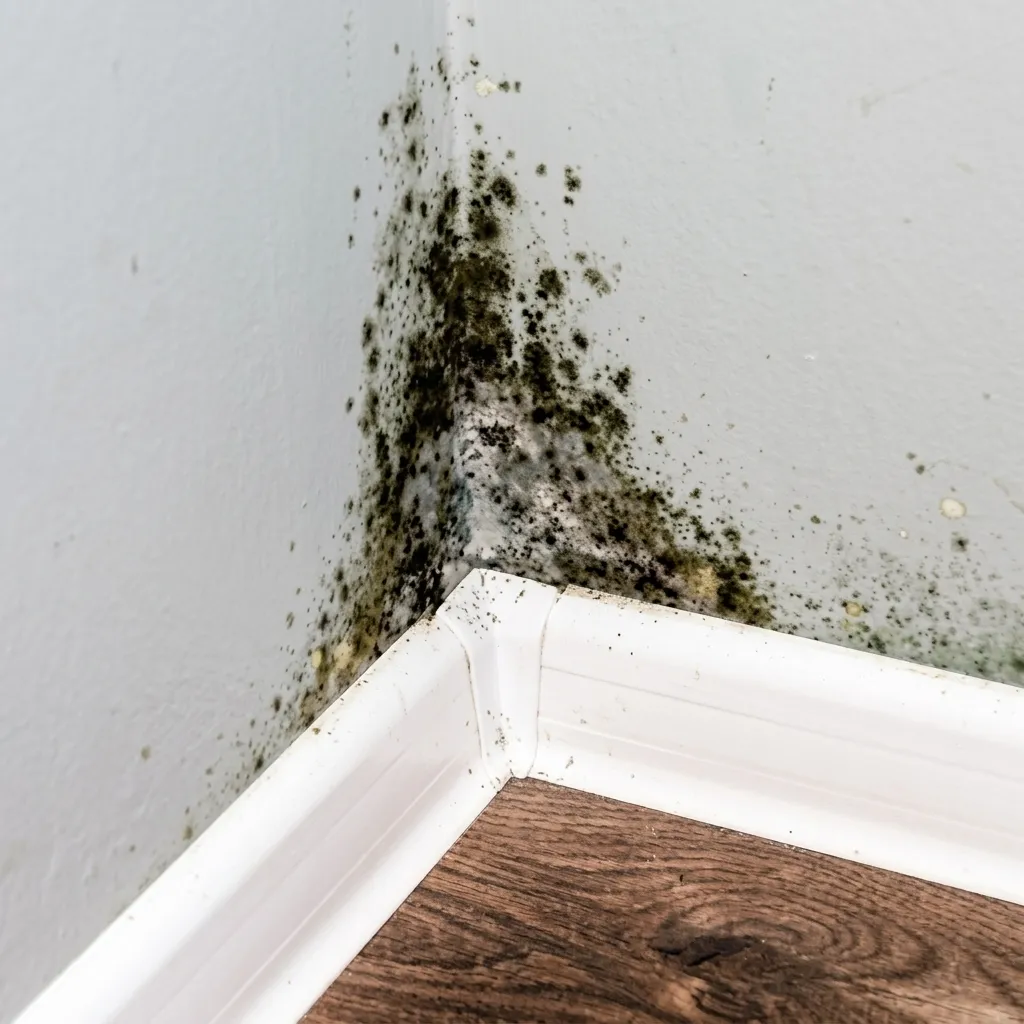
Notice a musty smell you can’t explain? Read our Mold Testing Near Me guide, or call Air Drop Water Restoration at +1 (678)-374-9247 to schedule an inspection.
What Does Mold Smell Like?
FMold typically smells musty, earthy, damp, or stale, often compared to wet cardboard, old books, dirty socks, or a closed-up basement.
This odor comes from microbial volatile organic compounds (MVOCs), gases released as mold grows and breaks down organic material. The intensity and exact character of the smell can vary depending on the mold species, the material it’s growing on, and how long it’s been present.
Why Mold Produces a Musty Smell
As mold grows, it metabolizes the organic material it’s feeding on, whether that’s wood, drywall paper, dust, or fabric, and releases microbial volatile organic compounds as a byproduct.
These MVOCs are what create the distinctive musty odor associated with mold, separate from any visible spores or growth. This means you can sometimes smell mold before you ever see it, particularly when it’s growing in a hidden location like inside a wall cavity, under flooring, or in a crawl space.
Common Descriptions of Mold Smell
- Musty or earthy, like a forest floor after rain
- Damp, like wet cardboard or paper
- Stale, similar to an old, unventilated closet
- Sour or slightly rotten in more advanced cases
- Similar to dirty socks or gym equipment in humid, enclosed spaces
Mold Smell vs. Mildew Smell vs. General Dampness
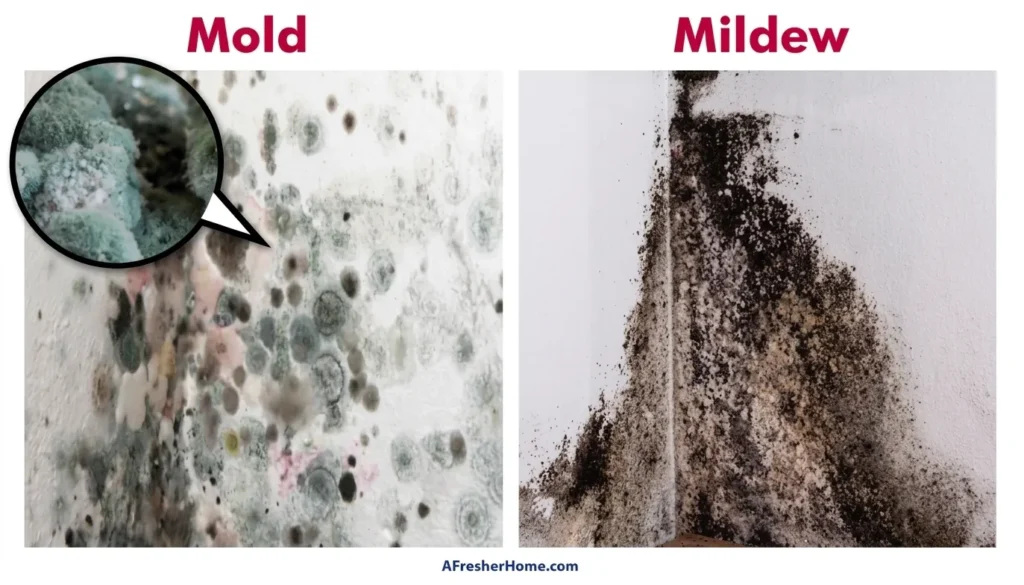
Homeowners in Stone Mountain often wonder whether what they’re smelling is mold, mildew, or simply dampness from Georgia’s humid climate. Here’s how they compare:
Table: Distinguishing Common Household Odors
| Smell Type | Description | Common Source |
| Mold | Musty, earthy, sometimes sour; often stronger and more persistent | Hidden moisture behind walls, under floors, in HVAC systems, crawl spaces |
| Mildew | Similar but often lighter, “fresher” musty smell | Surface growth on damp surfaces like shower tile or window sills |
| General Dampness | Heavy, humid smell without a distinct musty character | Poor ventilation, high humidity, closed-up rooms |
| Sewage Odor | Rotten egg or sulfur-like smell | Plumbing issues, unrelated to mold |
If a musty smell persists even after cleaning and ventilating a space, and especially if it’s localized to one area like a bathroom, basement, or closet, that’s a strong indicator worth investigating further with a professional inspection.
Where Mold Smell Most Commonly Originates in Stone Mountain, Georgia Homes
- Basements and crawl spaces: Ground moisture and limited airflow make these the most common source of musty odors in Georgia homes.
- Bathrooms: Poor ventilation combined with daily moisture from showers creates ideal mold conditions behind tile, under flooring, or around fixtures.
- HVAC systems and ductwork: A musty smell that seems to intensify when the air conditioning or heat runs often points to mold growth in the system itself.
- Attics: Roof leaks or poor ventilation can allow mold to develop, with odor sometimes detectable from the floor below.
- Around windows: Condensation buildup on window sills and frames can lead to localized mold growth and odor.
- Behind furniture pushed against exterior walls: Reduced airflow in these spots can allow moisture and mold to develop unnoticed.
Can’t pinpoint where a musty smell is coming from? Contact Air Drop Water Restoration or call +1 (678)-374-9247, our certified inspectors trace odors to their source.
Does Mold Always Smell? Signs of Mold Without Odor
Not all mold produces a strong, noticeable odor. Factors that affect whether mold smells detectable include:
- Mold species: Some species produce stronger MVOCs than others
- Growth stage: Early-stage mold may produce less odor than established colonies
- Ventilation: Good airflow can dilute odor even when mold is present
- Location: Mold growing inside sealed wall cavities may not produce a smell detectable in the living space
This is exactly why professional air sampling and surface testing matter, relying on smell alone can miss mold that’s present but not yet producing a detectable odor, or mold growing in an area with limited airflow to the rest of the home.
What to Do When You Notice a Musty Smell in Your Stone Mountain Home
Checklist: Steps to Take
- Try to identify whether the smell is localized to one room or spread throughout the home
- Check the most common mold locations: bathrooms, basements, crawl spaces, and around HVAC vents
- Note whether the smell intensifies when the HVAC system runs
- Improve ventilation temporarily while investigating further (open windows, run exhaust fans)
- Avoid masking the smell with air fresheners, which can delay identifying the actual source
- Schedule a professional mold inspection if the smell persists for more than a few days or you can’t identify the source yourself
Local Factors Behind Musty Odors in Stone Mountain, Georgia Homes
- Humid subtropical climate keeps ambient moisture levels elevated for much of the year, making musty odors a common seasonal complaint across metro Atlanta.
- Crawl space and basement construction, common throughout DeKalb and Rockdale counties, traps ground moisture that fuels both mold growth and its associated odor.
- Older homes in Stone Mountain Village and surrounding neighborhoods may have less effective ventilation systems, allowing musty odors to linger.
- Storm season humidity spikes during Georgia’s summer months can intensify existing musty odors as moisture levels rise throughout a structure.
Expert Tips: Preventing Musty Odors Before They Start
- Run a dehumidifier in basements and crawl spaces to keep humidity below 50%, reducing conditions that both cause mold and intensify musty smells.
- Ventilate bathrooms during and after showers with an exhaust fan vented to the outside, not into the attic.
- Address leaks immediately. Musty odors can develop within days of sustained moisture exposure.
- Check HVAC systems seasonally, especially before Georgia’s humid summer months, to catch developing issues before odor becomes noticeable.
- Avoid sealing off crawl spaces or closets completely without adequate ventilation, since trapped, stagnant air accelerates musty odor development.
Perceiving & thinking “What Does Mold Smell Like” Call Air Drop Water Restoration on +1 (678)-374-92 for proper Mold inspection service
Frequently Asked Questions About What Mold Smells Like
What does mold smell like compared to mildew?
Mold typically produces a stronger, more persistent musty or earthy smell, sometimes described as sour in advanced cases, while mildew often has a lighter, “fresher” musty odor and tends to grow on surfaces rather than penetrating materials.
Perceiving & thinking “What Does Mold Smell Like” Call Air Drop Water Restoration on +1 (678)-374-92 for proper Mold inspection service.
Can mold smell like something other than musty?
Yes, in some cases mold odor is described as sour, rotten, or similar to dirty socks, particularly in humid, enclosed spaces or with certain mold species.
Perceiving & thinking “What Does Mold Smell Like” Call Air Drop Water Restoration on +1 (678)-374-92 for proper Mold inspection service.
Why does my house smell musty but I can’t find any visible mold?
Mold can grow in hidden areas like wall cavities, under flooring, in crawl spaces, or inside HVAC systems, producing a detectable odor without any visible growth in living areas. A professional inspection with air sampling can help locate the source.
Perceiving & thinking “What Does Mold Smell Like” Call Air Drop Water Restoration on +1 (678)-374-92 for proper Mold inspection service.
Does all mold produce a smell?
No. Odor intensity varies by mold species, growth stage, and ventilation. Some mold growth, especially in early stages or well-ventilated areas, may not produce a strong or detectable smell.
Perceiving & thinking “What Does Mold Smell Like” Call Air Drop Water Restoration on +1 (678)-374-92 for proper Mold inspection service.
Why does my musty smell get worse when the air conditioning runs?
This often indicates mold growth within the HVAC system itself or in ductwork, since running the system circulates air (and any associated odor and spores) throughout the home.
Perceiving & thinking “What Does Mold Smell Like” Call Air Drop Water Restoration on +1 (678)-374-92 for proper Mold inspection service.
How do I get rid of a musty smell in my Stone Mountain home?
If the smell is caused by mold, air fresheners will only mask it temporarily. The musty smell will typically persist until the mold source is identified and professionally removed, and the underlying moisture issue is corrected.
Perceiving & thinking “What Does Mold Smell Like” Call Air Drop Water Restoration on +1 (678)-374-92 for proper Mold inspection service.
Is a musty basement smell in Georgia always a sign of mold?
Not always, general dampness and poor ventilation can also cause a musty smell without active mold growth. However, persistent musty odors in basements are common enough alongside mold in Georgia’s humid climate that a professional inspection is a reasonable precaution.
Perceiving & thinking “What Does Mold Smell Like” Call Air Drop Water Restoration on +1 (678)-374-92 for proper Mold inspection service.
Should I be worried if I smell mold but don’t see any?
It’s worth investigating. A persistent musty smell without visible mold often means the growth is hidden, and professional air sampling or a moisture inspection can help confirm whether mold is present and where.
Perceiving & thinking “What Does Mold Smell Like” Call Air Drop Water Restoration on +1 (678)-374-92 for proper Mold inspection service.
Conclusion: Trust Your Nose, Then Verify with a Professional Inspection
What does mold smell like? Musty, earthy, and unmistakable once you know what to look for, but relying on smell alone only gets you so far, especially when mold is hiding behind walls, under flooring, or inside your HVAC system. If you’ve noticed a persistent musty odor in your Stone Mountain, Georgia home, Air Drop Water Restoration’s certified inspectors can trace it to its source and provide a clear path toward removal.
If your nose keeps telling you something’s not right in your Stone Mountain home, trust it, and then get a professional answer. Air Drop Water Restoration’s certified inspectors can trace that musty smell to its source and get it resolved for good.
Perceiving & thinking “What Does Mold Smell Like” Call Air Drop Water Restoration on +1 (678)-374-92 for proper Mold inspection service.