 Skip to content

Mold testing Atlanta GA homeowners request usually comes down to one of two situations: something doesn’t smell or look right and they need answers, or they’ve just completed mold remediation and want confirmation it actually worked. Either way, mold testing takes the guesswork out of a problem that’s often invisible until it’s already significant.
Georgia’s humid subtropical climate makes mold an ongoing concern for homes throughout Atlanta and the surrounding metro, and Air Drop Water Restoration fields mold testing Atlanta GA inquiries year-round. This guide explains what mold testing actually involves, when you need it, how the process works, and how to interpret the results.
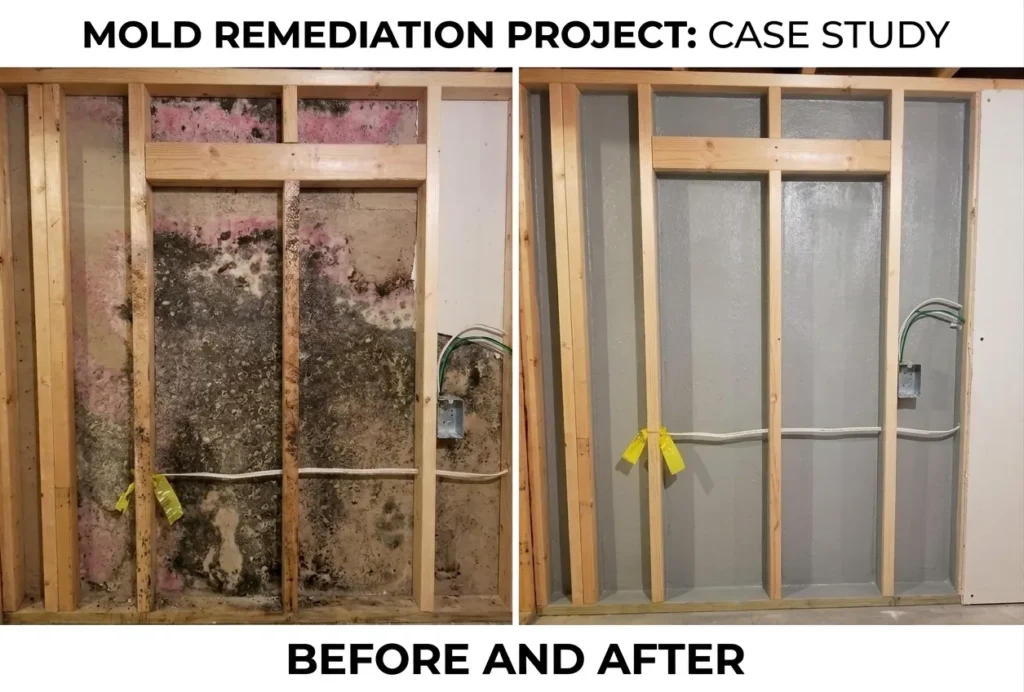
What Is Mold Testing? A Clear Definition
Quick Answer: Mold testing is the process of collecting air or surface samples from a property to identify the presence, type, and concentration of mold spores, typically analyzed by an independent laboratory to determine whether mold levels are elevated and what remediation, if any, is needed.
Mold testing Atlanta GA services generally fall into two categories:
- Air sampling: measures airborne mold spore concentrations, often comparing indoor air to a baseline outdoor sample
- Surface sampling: tests a specific visible area (like a wall or vent) to identify the mold species present
Both methods provide data that guides remediation decisions, rather than relying on visual inspection alone.
When Do You Need Mold Testing in Atlanta, Georgia?
- You notice a persistent musty odor but can’t locate visible mold
- A household member has unexplained allergy or respiratory symptoms that improve away from home
- You’re buying or selling a home and want documentation of indoor air quality
- You’ve recently experienced water damage and want to confirm mold hasn’t developed
- You’ve completed mold remediation and want post-remediation verification testing
- You have visible mold-like growth and want to confirm its species and extent before remediation
Quick Answer: Mold testing is most valuable either before remediation, to confirm the scope of a problem, or after remediation, to verify the work was successful, testing alone doesn’t remove mold, so it should always be paired with a plan to address whatever the results reveal.
Why Mold Testing Atlanta GA Homeowners Request Is So Common
Georgia’s Humid Subtropical Climate
Atlanta’s climate supports mold growth for much of the year whenever moisture is present, making it one of the more mold-prone metro areas in the country according to regional climate data tracked by NOAA.
Aging Housing Stock
Many Atlanta neighborhoods feature homes built decades ago, with plumbing and ventilation systems not designed for today’s storm intensity or humidity levels.
Frequent Water Damage Events
Between severe thunderstorms, aging plumbing, and appliance failures, Atlanta homes experience water damage events regularly, each one a potential mold trigger if not addressed quickly.
Real Estate Transactions
Atlanta’s active real estate market means mold testing is frequently requested during home inspections, particularly for older homes or properties with a history of water intrusion.
The Mold Testing Process: What to Expect
Step 1: Visual Inspection
A technician inspects the property, checking common problem areas, bathrooms, basements, crawl spaces, attics, and around windows or plumbing fixtures.
Step 2: Sample Collection
Depending on the situation, air samples, surface swabs, or tape lifts are collected from both suspected problem areas and, for air sampling, an outdoor baseline location.
Step 3: Laboratory Analysis
Samples are sent to an independent, accredited laboratory for analysis, identifying mold species and spore concentrations.
Step 4: Results and Interpretation
Once results return, typically within a few business days, a technician reviews the findings with you, explaining what the spore counts and species mean for your home and health.
Step 5: Remediation Recommendation (If Needed)
If testing reveals elevated mold levels, our team provides a clear remediation plan tailored to the extent and location of the problem.
Featured Snippet: Air Sampling vs. Surface Sampling
| Method | What It Measures | Best Used When |
| Air Sampling | Airborne mold spore concentration throughout a room or HVAC system | No visible mold, but odor or health symptoms present |
| Surface Sampling | Mold species present on a specific visible surface | Visible growth needs species identification before remediation |
| Post-Remediation Verification | Confirms spore levels have returned to normal after remediation | After completing a mold remediation project |
Suspect Mold in Your Atlanta Home?
Don’t guess, get accurate answers. Call Air Drop Water Restoration at +1 (678) 374-9247 to schedule professional mold testing anywhere in Atlanta and the surrounding metro.
What Mold Testing Results Actually Tell You
Mold test results typically include:
- The species of mold identified (some are more concerning than others)
- Spore count per cubic meter of air (for air sampling)
- Comparison to outdoor baseline levels
- Recommendations based on findings
Quick Answer: There is no federally established “safe” mold level in the United States, according to the EPA, which is why results are typically interpreted in the context of indoor-versus-outdoor comparison and whether specific mold species with known health concerns are present, rather than judged against a single universal number.
This is why working with an experienced local company matters, interpreting results correctly requires context, not just a lab report.
Common Types of Mold Found in Atlanta Homes
- Cladosporium: common outdoors and indoors, generally lower health concern but can trigger allergies
- Penicillium: often found on water-damaged materials, associated with allergic reactions
- Aspergillus: common indoor mold, some species can pose health risks for sensitive individuals
- Stachybotrys chartarum (“black mold”): associated with chronic water damage, some species produce mycotoxins of greater concern
Identifying the specific species through mold testing helps determine the urgency and approach for remediation.
Featured Snippet: Signs You Should Schedule Mold Testing Atlanta GA
- Persistent musty odor without visible source
- Recent water damage that wasn’t professionally dried
- Visible discoloration on walls, ceilings, or baseboards
- Unexplained allergy or respiratory symptoms at home
- Preparing to buy or sell a property
- Completing remediation and needing verification
- High indoor humidity with condensation on windows or pipes
Mold Testing and Real Estate Transactions in Atlanta
Mold testing is increasingly common during Atlanta real estate transactions, particularly for:
- Older homes with a history of water damage
- Properties with visible staining or musty odors
- Homes with finished basements or crawl spaces
- Buyers requesting additional due diligence beyond a standard home inspection
A documented mold test can provide peace of mind for buyers and protect sellers from disputes after closing. Air Drop Water Restoration provides detailed, laboratory-backed reports suitable for real estate transactions throughout Metro Atlanta.
Buying or Selling a Home in Atlanta? Get Mold Testing Done Right
Protect your transaction with accurate, documented mold testing. Call Air Drop Water Restoration at +1 (678) 374-9247 to schedule testing before your closing date.
Expert Tips: Getting the Most Accurate Mold Testing Results
- Avoid cleaning or disturbing suspected mold before testing, as this can skew results
- Keep windows and doors closed for several hours before air sampling for a more accurate baseline
- Disclose any recent water damage events to your technician before testing begins
- Test both the suspected problem area and an unaffected area for comparison
- Use an independent, accredited laboratory for analysis rather than an in-house, non-accredited process
Expert Insight
“A lot of homeowners call us wanting mold testing because they saw a dark spot and immediately assumed the worst. Testing gives you real data instead of guessing, sometimes it confirms a serious problem, but just as often it rules one out, or identifies something manageable with a simple cleaning rather than full remediation.” Air Drop Water Restoration Restoration Team
Read our 24/7 Mold Remediation Service page to understand what happens if your testing results indicate remediation is needed.
Insurance and Mold Testing Considerations in Georgia
Mold testing itself is not always covered by homeowners insurance, but it can play an important role in documenting a covered water damage claim. If mold testing confirms growth resulting directly from a sudden, covered event, such as a burst pipe, the findings can support your overall claim for remediation coverage.
Air Drop Water Restoration provides documentation that homeowners can present to their insurance adjuster as part of a broader water damage or mold claim.
Why Choose Air Drop Water Restoration for Mold Testing Atlanta GA
- Accurate, laboratory-backed testing: using accredited independent labs
- Clear result interpretation: not just a report, but an explanation you can actually use
- Full-service follow-through: remediation available if testing reveals a problem
- Local expertise: in Atlanta’s climate and housing stock
- Documentation suitable: for insurance claims and real estate transactions
Read our Water Damage Restoration Services page to see how we help prevent mold before it ever requires testing.
Serving Atlanta and the Entire Metro Region
Air Drop Water Restoration provides mold testing throughout Atlanta, Stone Mountain, Sandy Springs, Marietta, Roswell, Alpharetta, Johns Creek, Dunwoody, Brookhaven, Decatur, Smyrna, Kennesaw, East Point, College Park, Union City, Douglasville, Mableton, Tucker, Lithonia, Conyers, Covington, Stockbridge, McDonough, Lawrenceville, Duluth, Suwanee, Peachtree City, and Fayetteville. Call +1 (678) 374-9247 now to schedule your mold testing appointment.
People Also Ask
How much does mold testing cost in Atlanta, Georgia?
Cost varies based on the number of samples collected and whether air, surface, or both types of testing are performed. Air Drop Water Restoration provides a clear quote before testing begins.
How long does it take to get mold testing results?
Laboratory analysis typically takes a few business days, though some labs offer expedited turnaround for an additional fee.
Is mold testing necessary before mold remediation?
Not always required, but it’s often recommended, especially for extensive or ambiguous growth, to confirm the mold species and guide the appropriate remediation approach.
Can I do mold testing myself with a store-bought kit?
Store-bought kits exist but generally lack the accuracy, proper sampling technique, and accredited lab analysis that professional testing provides, which can lead to misleading results.
Does mold testing detect mold hidden inside walls?
Air sampling can detect elevated spore counts that suggest hidden mold, but confirming the exact hidden location often requires additional inspection tools like moisture meters or, in some cases, minor exploratory access.
Frequently Asked Questions Mold Testing Atlanta GA
What’s the difference between mold testing and mold inspection?
A mold inspection is typically a visual assessment of the property, while mold testing involves collecting and laboratory-analyzing air or surface samples for more precise data.
Should I get mold testing after a water damage event even without visible mold?
It can be a reasonable precaution, especially if drying wasn’t handled professionally or took longer than 48 hours, since hidden mold can develop without obvious surface signs.
Is mold testing required when buying a home in Georgia?
It’s not legally required in most cases, but many buyers request it as part of their due diligence, particularly for older homes or properties with a known history of water damage.
Can mold testing identify the exact location of a hidden leak?
Not directly, mold testing identifies spore presence and concentration, while moisture meters and thermal imaging are used to pinpoint the actual source of hidden moisture.
How often should Atlanta homeowners consider mold testing?
There’s no universal schedule, but testing after any significant water damage event, before real estate transactions, or when experiencing unexplained symptoms are the most common triggers.
Does elevated mold testing always mean I need full remediation?
Not necessarily. Results are interpreted based on species, concentration, and location, some findings warrant simple cleaning, while others require full professional remediation.
Can mold testing be used to settle a landlord-tenant dispute?
Yes, documented, laboratory-backed mold testing is often used as objective evidence in landlord-tenant disputes regarding indoor air quality and habitability concerns.
Need emergency mold testing Atlanta GA service? Call Air Drop Water Restoration on +1 (678) 374-9247 and receive the best service.
Is post-remediation mold testing necessary, or just recommended?
While not always legally required, post-remediation verification testing is strongly recommended to confirm the remediation was successful before considering the project complete.
Need emergency mold testing Atlanta GA service? Call Air Drop Water Restoration on +1 (678) 374-9247 and receive the best service.
Do all mold species found in testing pose health risks?
No. Many common indoor molds, like certain Cladosporium species, pose minimal health risk for most people, while others, particularly certain Stachybotrys species, are associated with greater concern.
Need emergency mold testing Atlanta GA service? Call Air Drop Water Restoration on +1 (678) 374-9247 and receive the best service.
Can HVAC systems spread mold throughout an Atlanta home even from one small source?
Yes. HVAC systems can circulate mold spores throughout a property, which is why testing near air handling systems and ductwork is often included in a comprehensive assessment.
Need emergency mold testing Atlanta GA service? Call Air Drop Water Restoration on +1 (678) 374-9247 and receive the best service.
Does Air Drop Water Restoration offer same-day mold testing in Atlanta?
Availability depends on scheduling, but we prioritize prompt appointments and can often accommodate urgent testing requests, especially following a recent water event.
Need emergency mold testing Atlanta GA service? Call Air Drop Water Restoration on +1 (678) 374-9247 and receive the best service.
What should I do if my mold testing results come back elevated?
Contact a professional remediation company promptly to develop a remediation plan tailored to the mold species, location, and extent identified in your results.
Need emergency mold testing Atlanta GA service? Call Air Drop Water Restoration on +1 (678) 374-9247 and receive the best service.
Conclusion: Accurate Mold Testing Atlanta GA Homeowners Can Trust
Mold testing Atlanta GA homeowners rely on turns uncertainty into clear, actionable information, whether you’re confirming a suspicion, verifying a remediation, or protecting a real estate transaction. In Georgia’s humid climate, that clarity matters more than almost anywhere else in the country.
Air Drop Water Restoration provides accurate, laboratory-backed mold testing throughout Atlanta and the surrounding metro, paired with the remediation expertise to act quickly if results indicate a problem.
Need clear answers about mold in your Atlanta home? Call Air Drop Water Restoration at +1 (678) 374-9247 to schedule professional mold testing anywhere in Atlanta and the greater Metro Atlanta area.