 Skip to content

Mold testing inspection and remediation in Stone Mountain, Atlanta Georgia is one of the most searched restoration needs in the area, and for good reason, Georgia’s thick summer humidity, frequent afternoon storms, and older housing stock create the perfect breeding ground for mold colonies inside walls, crawlspaces, attics, and HVAC systems. If you’ve noticed a musty smell in your basement, dark speckling around a window frame, or a family member with unexplained allergy symptoms that only flare up at home, you may already be living with an active mold problem.
This article breaks down exactly what mold testing, inspection, and remediation involve, why Stone Mountain homes are especially vulnerable, and how a licensed local team like Air Drop Water Restoration identifies and permanently resolves mold issues before they compromise your home’s structure or your family’s health.
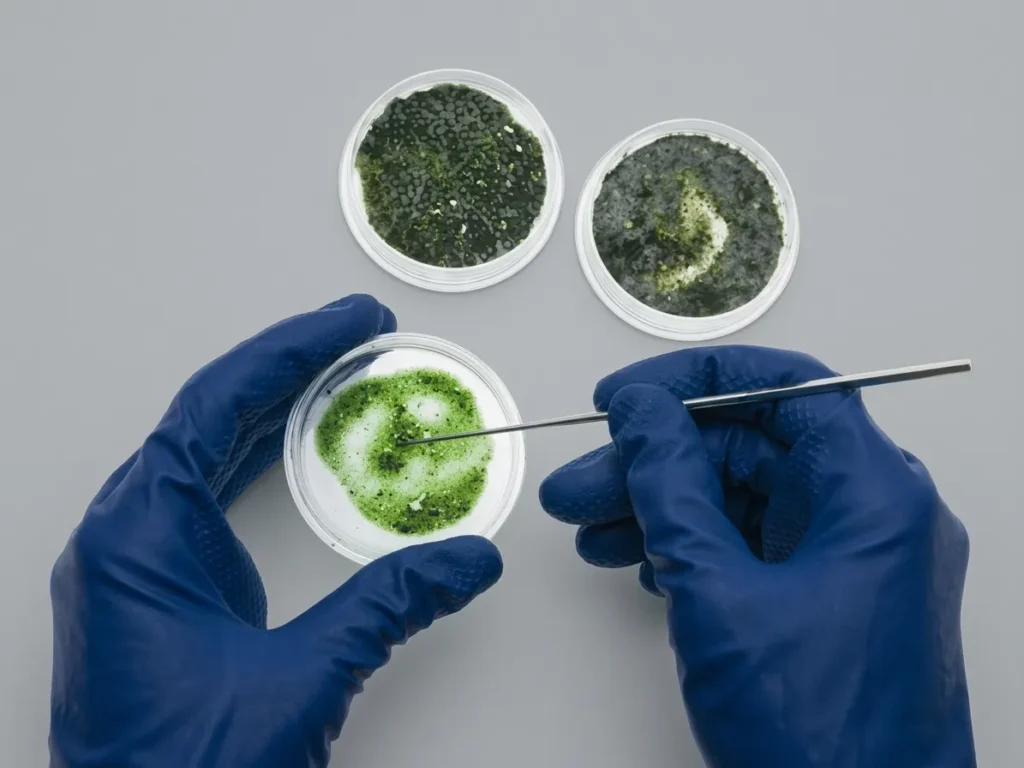
Mold isn’t just cosmetic. Left untreated, it can degrade drywall, subfloors, and wood framing, trigger respiratory issues, and tank your home’s resale value during an inspection. The good news is that with the right combination of professional testing, a thorough visual and moisture inspection, and IICRC-standard remediation, mold problems are entirely solvable, and in most cases, preventable going forward.
What Is Mold Testing Inspection and Remediation, and Why Does It Matter in Stone Mountain, Georgia?
Mold testing inspection and remediation refers to the three-part process of
(1) sampling air and surfaces to confirm mold species and spore counts,
(2) visually and technically inspecting a property to locate the source of moisture feeding the mold, and
(3) safely removing and treating the affected materials to restore a healthy, mold-free environment.
Stone Mountain sits in the Atlanta Metro’s humid subtropical climate zone, where average summer humidity regularly exceeds 65–70%. Combined with heavy spring and summer rainfall, aging home construction in neighborhoods throughout DeKalb County, and dense tree cover that keeps crawlspaces shaded and damp, local homes face a higher-than-average risk of hidden mold growth compared to drier climates.
Quick Answer
Mold testing, inspection, and remediation is the process of detecting mold spores, locating the moisture source causing growth, and safely removing contaminated materials using containment, HEPA filtration, and antimicrobial treatment, restoring a home to a safe, mold-free condition.
Signs You Need Mold Testing Inspection and Remediation Service
Many Stone Mountain homeowners don’t realize they have a mold problem until it’s already widespread, because a large percentage of mold growth happens in places you can’t see, behind drywall, under carpet padding, inside HVAC ductwork, or in crawlspaces. Watch for these warning signs:
- Persistent musty, earthy odor that doesn’t go away with cleaning
- Visible dark, green, black, or white spotting on walls, ceilings, or baseboards
- Recent water damage, a slow leak, or a past flood that wasn’t fully dried
- Peeling paint, warped drywall, or bubbling wallpaper
- Condensation on windows or pipes
- Unexplained allergy symptoms, coughing, headaches, or sinus irritation that improve when you leave the house
- A recent home inspection report flagging elevated moisture readings
- Visible mold in the attic insulation or crawlspace joists.
If you’re experiencing any combination of these symptoms, it’s time to schedule a professional mold testing inspection and remediation appointment rather than relying on a surface-level cleaning.
If you’d like help right now, contact Air Drop Water Restoration or call +1 (678) 374-9247 for a same-day inspection.
Why Stone Mountain and Metro Atlanta Homes Are Especially Vulnerable to Mold
Climate and Weather Factors
Georgia’s storm season, running roughly from March through September, brings frequent heavy rainfall and occasional tropical storm remnants that push moisture into foundations, crawlspaces, and roof systems. Atlanta’s average annual rainfall runs well above the national average according to National Weather Service climate data, a major contributor to the chronic moisture problems restoration contractors see across DeKalb, Gwinnett, and Fulton counties.
Housing Age and Construction Type
Many neighborhoods in and around Stone Mountain feature homes built in the 1960s–1990s, often with original ductwork, aging crawlspace vapor barriers, or outdated attic ventilation, all common entry points for moisture intrusion and mold colonization.
Tree Cover and Shade
Stone Mountain’s wooded lots keep homes cooler in summer but also trap humidity around foundations and crawlspaces, slowing natural drying after rainfall.
HVAC and Humidity Control
Poorly maintained or oversized HVAC systems can fail to properly dehumidify a home, leaving relative humidity above the 50–60% threshold where mold spores begin to actively colonize surfaces.
The Mold Testing Process: Step by Step
Step 1: Initial Consultation and Visual Walkthrough
A certified technician from Air Drop Water Restoration begins with a full visual walkthrough of the property, checking high-risk zones: bathrooms, kitchens, basements, crawlspaces, attics, and any area with a history of water intrusion.
Step 2: Moisture Mapping
Using thermal imaging cameras and penetrating/non-penetrating moisture meters, technicians map out moisture levels behind walls and under flooring to identify the true source of the mold problem, not just where it’s visible.
Step 3: Air and Surface Sampling
Certified inspectors collect:
- Air samples: measuring airborne spore counts compared to outdoor baseline levels
- Surface (tape or swab) samples: identifying the specific mold species present
- Bulk samples: for materials like drywall or insulation showing visible growth
Step 4: Laboratory Analysis
Samples are sent to an independent, accredited environmental lab for analysis, typically returning results within 2–5 business days.
Step 5: Written Inspection Report
You receive a detailed report outlining spore counts, mold species identified, moisture source findings, and a specific remediation scope of work.
Schedule Your Mold Inspection Today
Don’t wait for a musty smell to turn into a structural problem. Air Drop Water Restoration offers thorough, lab-backed mold testing inspection and remediation service throughout Stone Mountain and Metro Atlanta. Request your inspection online or call +1 (678) 374-9247 now.
Mold Remediation Process: How Professional Removal Works
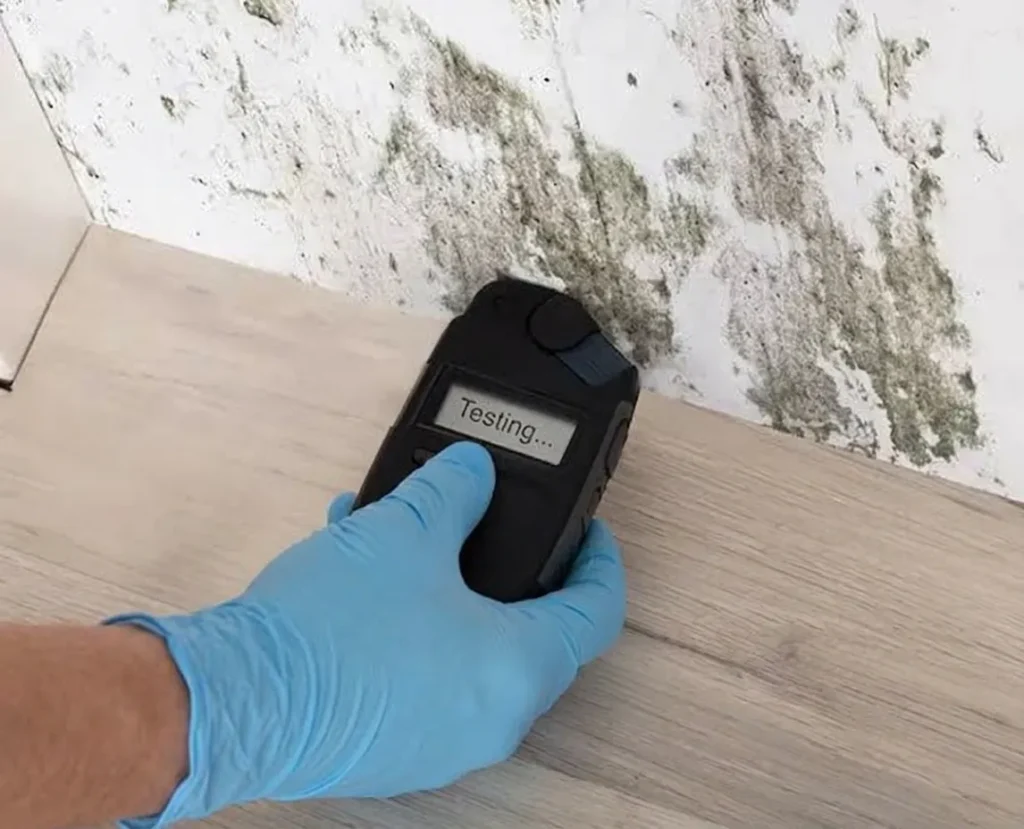
Once testing confirms the presence and extent of mold, remediation follows the industry-standard protocols set by the IICRC S520 Standard for Professional Mold Remediation.
1. Containment
Technicians seal off the affected area using plastic sheeting and negative air pressure machines to prevent spores from spreading to unaffected rooms during removal.
2. Air Filtration
HEPA-filtered air scrubbers run continuously throughout the remediation process, capturing airborne mold spores as small as 0.3 microns.
3. Removal of Contaminated Materials
Porous materials that cannot be fully cleaned, such as water-damaged drywall, insulation, and carpet padding, are removed and disposed of according to local regulations.
4. HEPA Vacuuming and Antimicrobial Treatment
All exposed surfaces are HEPA-vacuumed and treated with EPA-registered antimicrobial and antifungal solutions to eliminate remaining spores and inhibit regrowth.
5. Structural Drying
Industrial dehumidifiers and air movers bring moisture content in affected materials back to normal, dry-standard levels, critical for preventing recurrence.
6. Post-Remediation Verification Testing
An independent clearance test confirms spore counts have returned to normal, safe levels before the containment is removed and the area is cleared for reconstruction.
7. Reconstruction
Once cleared, Air Drop Water Restoration can rebuild drywall, flooring, and finishes, restoring the space to pre-loss condition.
Comparison Table: DIY Mold Cleaning vs. Professional Mold Remediation
| Factor | DIY Cleaning | Professional Remediation (Air Drop Water Restoration) |
| Identifies moisture source | Rarely | Always, via moisture mapping |
| Lab-confirmed mold species | No | Yes |
| Containment to prevent spread | No | Yes, negative air pressure |
| HEPA air filtration | No | Yes |
| Effective on hidden/behind-wall mold | No | Yes |
| Post-remediation clearance testing | No | Yes |
| Insurance documentation provided | No | Yes |
| Long-term prevention guidance | Limited | Comprehensive |
Common Types of Mold Found in Stone Mountain and Atlanta Homes
- Cladosporium: commonly found on HVAC ducts and fabrics; can trigger allergy symptoms
- Penicillium: often linked to water-damaged materials and can spread quickly through air handling systems
- Aspergillus: frequently found in humid basements and crawlspaces
- Stachybotrys chartarum (“black mold”): associated with prolonged water damage and requires professional remediation due to potential health impacts
A written inspection report will always specify which species are present so your remediation plan is tailored correctly, rather than treated as a generic “mold removal” job.
Get a Certified Mold Inspection Report
Wondering what type of mold is in your home? Air Drop Water Restoration partners with accredited independent labs to give you accurate, defensible test results. Book your inspection or call +1 (678) 374-9247 today.
Mold, Insurance Claims, and What Georgia Homeowners Should Know
Mold coverage under a standard homeowner’s insurance policy in Georgia is often limited, and many policies only cover mold that results from a “sudden and accidental” covered peril, such as a burst pipe, not mold from long-term humidity or neglected maintenance. That’s why documentation matters.
What Air Drop Water Restoration Provides for Your Claim
- Detailed photo and moisture documentation of the affected area
- Itemized scope of work aligned with IICRC standards
- Lab reports confirming pre- and post-remediation spore counts
- Direct communication with your insurance adjuster when needed
For general guidance on mold and indoor air quality, the EPA advises that mold can grow on almost any organic surface whenever moisture, oxygen, and a food source are present, which is why moisture control is the single most effective form of prevention.
Always report water damage to your insurance company within 24–48 hours. Delayed reporting is one of the most common reasons mold-related claims get denied in Georgia.
Mold Prevention Tips for Stone Mountain Homeowners
- Keep indoor humidity below 50% using a dehumidifier, especially in basements and crawlspaces
- Fix leaks immediately, even small, slow leaks under sinks or around toilets can feed mold growth within 24–48 hours
- Ensure proper attic and crawlspace ventilation to prevent trapped moisture
- Clean gutters regularly to keep rainwater flowing away from your foundation
- Grade landscaping away from the foundation to prevent water pooling near crawlspaces
- Service your HVAC system annually to ensure proper dehumidification and clean ductwork
- Use exhaust fans in bathrooms and kitchens during and after use
- Schedule annual mold inspections, especially if your home has had prior water damage.
People Also Ask
How much does mold testing cost in Stone Mountain, Georgia?
Mold testing costs typically range based on the number of samples taken and the size of the property. Air Drop Water Restoration provides transparent, itemized quotes after an initial walkthrough so there are no surprises.
How long does mold remediation take?
Most residential mold remediation projects in Stone Mountain take between 1 and 5 days, depending on the extent of contamination, the materials affected, and whether structural drying is required first.
Can I stay in my home during mold remediation?
In many cases, yes, technicians use containment and negative air pressure to isolate the work area. For extensive black mold contamination, temporary relocation may be recommended for households with young children, elderly residents, or anyone with respiratory conditions.
Is black mold dangerous?
Stachybotrys chartarum, commonly called black mold, has been associated with respiratory irritation and other health symptoms in sensitive individuals. Any suspected black mold should be tested and remediated by a certified professional rather than handled with DIY cleaning products.
Does homeowners insurance cover mold remediation in Georgia?
Coverage depends on the cause. Mold resulting from a sudden covered event, like a burst pipe, is often covered, while mold from long-term humidity or deferred maintenance typically is not. Air Drop Water Restoration can help document your claim either way.
How do I know if I have mold in my HVAC system?
Signs include a musty smell when the system runs, visible dark spots on vents or ductwork, and inconsistent allergy symptoms that worsen indoors. A professional inspection can confirm mold presence with air sampling.
24/7 Emergency Mold and Water Damage Response
Mold problems often start with water damage that wasn’t fully dried. If you’re dealing with an active leak or flooding right now, don’t wait, mold can begin forming within 24 to 48 hours. Call Air Drop Water Restoration’s emergency line at +1 (678) 374-9247 for rapid response across Stone Mountain and Metro Atlanta.
Why Choose Air Drop Water Restoration for Mold Testing, Inspection, and Remediation in Stone Mountain
- Locally owned and operated, serving Stone Mountain, Atlanta, Decatur, Tucker, Lithonia, and the wider Metro Atlanta area
- IICRC-trained technicians following S520 mold remediation standards
- Independent, accredited lab testing for unbiased, accurate results
- Direct insurance claim assistance and documentation
- 24/7 emergency response for water damage that could lead to mold
- Transparent, itemized quotes with no hidden fees
Read our Water Damage Restoration Services to understand how our mold and moisture teams work together to stop problems at the source, or explore our 24/7 Mold Remediation Service page for full details on our remediation process.
Frequently Asked Questions About Mold Testing Inspection and Remediation in Stone Mountain, Georgia
What does a mold inspection actually involve?
A mold inspection involves a visual walkthrough, moisture mapping with thermal imaging and moisture meters, and air and surface sampling sent to an accredited lab for species identification and spore count analysis.
How often should Stone Mountain homeowners get a mold inspection?
Annually is recommended for most homes, especially those with crawlspaces, older HVAC systems, or a history of water intrusion. Homes with recent water damage should be inspected immediately.
What’s the difference between mold testing and mold remediation?
Mold testing identifies whether mold is present, what species it is, and how severe the contamination is. Mold remediation is the physical removal and treatment process that follows once testing confirms the problem.
Can mold come back after remediation?
Mold can return if the underlying moisture source isn’t fully resolved. That’s why Air Drop Water Restoration always pairs remediation with moisture source correction and post-remediation clearance testing.
What areas near Stone Mountain do you serve for mold remediation?
We provide mold testing, inspection, and remediation throughout Stone Mountain, Decatur, Tucker, Lithonia, Conyers, and the broader Atlanta Metro area.
Is a musty smell always a sign of mold?
A persistent musty odor is one of the most common indicators of hidden mold, even when no visible growth is present. It warrants a professional air quality test.
What certifications should a mold remediation company have?
Look for IICRC certification in mold remediation (AMRT) and adherence to the S520 standard, which Air Drop Water Restoration follows on every project.
Do you provide before-and-after documentation for insurance purposes?
Yes. Every mold remediation project includes photo documentation, moisture readings, and lab-verified clearance testing to support your insurance claim.
Conclusion: Protect Your Stone Mountain Home with Professional Mold Testing Inspection and Remediation
Mold testing inspection and remediation in Stone Mountain, Atlanta Georgia isn’t just about removing an unsightly stain, it’s about protecting your family’s health, your home’s structural integrity, and your long-term property value in a climate that makes moisture control an ongoing challenge. From accredited lab testing and precise moisture mapping to IICRC-standard containment, HEPA filtration, and post-remediation clearance verification, Air Drop Water Restoration brings over a decade of hands-on restoration expertise to every mold job across Stone Mountain and Metro Atlanta.
Don’t let a small musty smell turn into a major structural and health issue. Whether you need a first-time inspection, a second opinion, or emergency remediation after a leak, our certified team is ready to help.
Call Air Drop Water Restoration now at +1 (678) 374-9247 for emergency mold testing, inspection, and remediation service in Stone Mountain and across Metro Atlanta, or request your inspection online and get a certified technician on the way today.