 Skip to content
Mold Growth in Atlanta happens fast once moisture, warmth, and an organic surface come together, sometimes in as little as 24 hours. This guide explains exactly what causes mold growth in Atlanta homes, the early warning signs homeowners often miss, and the prevention steps that actually work in our region’s humid climate.
Mold growth is the process by which mold spores, always present in the air around us, settle on a damp surface and multiply into a visible colony, and it can begin within 24 to 48 hours once the right conditions are in place. If you’ve ever wondered how a small leak turned into a mold problem seemingly overnight, this is why: mold doesn’t need much time, just the right combination of moisture, warmth, and food.
Table of Contents
In Atlanta, where humidity regularly climbs above 65% and storm seasons bring heavy rainfall, homeowners are dealing with conditions that favor mold growth for much of the year. As a restoration contractor who has inspected hundreds of Atlanta-area homes for moisture and mold issues, I can tell you that the homes that avoid serious mold problems aren’t the ones that never get wet, they’re the ones that dry out fast and control humidity year-round.
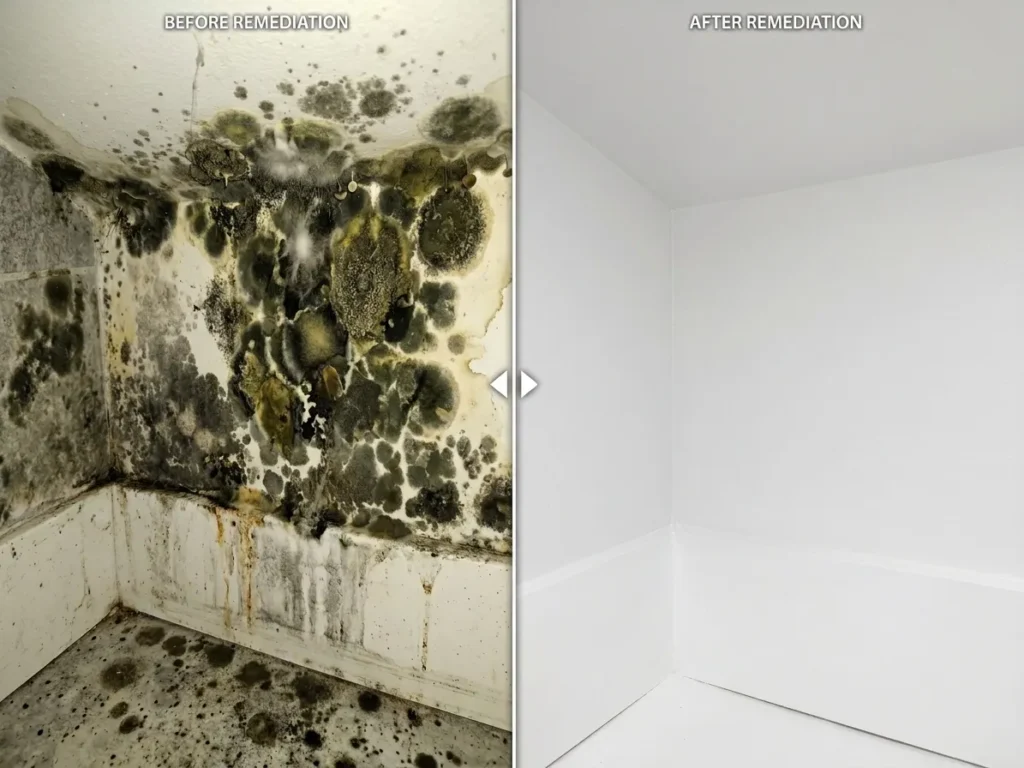
This guide covers exactly what causes mold growth, the early signs most homeowners miss, and prevention strategies that hold up in Georgia’s climate.
What Causes Mold Growth in Atlanta?
Mold requires three basic conditions to grow:
- Moisture: from a leak, flood, high humidity, or condensation
- An organic food source: drywall paper, wood, insulation backing, dust, fabric
- A suitable temperature: most household molds thrive between 60–80°F, which describes most Atlanta homes year-round
When these three factors align, mold spores that are naturally present in indoor air settle and begin to colonize. This is why mold growth so often follows a specific event, a burst pipe, roof leak, HVAC condensation issue, or even a humid summer with poor ventilation.
Common Sources of Excess Moisture Leading to Mold Growth in Atlanta
- Plumbing leaks (visible or hidden inside walls)
- Roof leaks and damaged flashing
- Poor bathroom or kitchen ventilation
- HVAC condensation and clogged condensate lines
- Basement or crawlspace ground moisture
- Window condensation in humid months
- Flooding from storms or appliance failures.
How Fast Does Mold Growth in Atlanta Actually Happen?
Quick Answer: Mold can begin colonizing damp, organic material within 24–48 hours, become visible within days, and spread significantly within one to two weeks if the moisture source isn’t addressed.
| Time Since Water Exposure | What’s Typically Happening |
| 0–24 hours | Materials are wet; mold has not yet colonized, the critical window for drying |
| 24–48 hours | Mold spores begin to germinate on porous, organic surfaces |
| 48 hours–1 week | Visible mold colonies may begin to appear |
| 1–2+ weeks | Colonies expand; odor becomes noticeable; structural materials may need replacement |
This timeline is exactly why fast water extraction and drying after any leak or flood is one of the most effective mold-prevention strategies available.
Where Mold Growth Commonly Starts in Atlanta Homes
- Crawlspaces: ground moisture without a vapor barrier
- Bathrooms: behind tile, under vanities, around tub surrounds
- Basements: foundation seepage, especially after heavy rain
- Attics: condensation from poor ventilation or roof leaks
- Around windows: condensation buildup in humid seasons
- Behind appliances: washing machines, water heaters, refrigerators with slow leaks
Expert Tip: Check under sinks, around water heaters, and in crawlspaces every few months. These are the areas where slow leaks most often go unnoticed until mold growth is already established.
Concerned about hidden moisture in your home? Air Drop Water Restoration offers thermal imaging moisture inspections across Atlanta. Schedule an Inspection.
Early Warning Signs of Mold Growth in Atlanta
- A musty, earthy smell in a specific room or throughout the house
- Discoloration or staining on walls, ceilings, or flooring
- Peeling paint or bubbling drywall
- Condensation on windows or pipes
- Increased allergy symptoms while at home
- Visible dark, green, or white spotting on surfaces
Recognizing these signs early, before extensive colonization occurs, is the difference between a simple cleaning job and a full remediation project.
Mold Growth Risk Factors Specific to Atlanta and Georgia
Georgia’s humid subtropical climate means Atlanta homes face elevated mold growth risk compared to drier regions of the country. Contributing factors include:
- High average humidity, often exceeding comfortable indoor thresholds without active dehumidification
- Heavy spring and summer storms that can overwhelm gutters and drainage
- Older housing stock throughout neighborhoods in Decatur, East Point, and inside the Perimeter, often built before modern vapor barrier and ventilation standards
- Tree canopy coverage that keeps siding and foundations shaded and slow to dry
- Below-grade living spaces common throughout Sandy Springs, Marietta, and Stone Mountain.
Preventing And Stoping Mold Growth in Atlanta: What Actually Works
Control Indoor Humidity
Keep relative humidity below 50% throughout the home, particularly in basements and crawlspaces, using dehumidifiers and properly sized HVAC systems.
Fix Leaks Immediately
Any plumbing or roof leak should be repaired and the area fully dried within 24–48 hours to stay ahead of the mold growth window.
Improve Ventilation
Bathroom and kitchen exhaust fans should vent to the exterior, and attics need adequate airflow to prevent condensation buildup.
Encapsulate Crawlspaces
A properly installed vapor barrier dramatically reduces ground moisture intrusion, one of the most common uncontrolled mold growth sources in Atlanta homes.
Maintain Gutters and Grading
Ensure gutters are clear and that the ground slopes away from your foundation to prevent water intrusion at the base of the home.
Monitor After Water Events
After any leak, flood, or major storm, actively monitor previously wet areas for the next two weeks, the window when mold growth is most likely to establish.
Already seeing early signs of mold growth? Don’t wait for it to spread. Contact Air Drop Water Restoration for a Fast Assessment.
Mold Growth in Atlanta Prevention Checklist
- Indoor humidity maintained below 50%
- All leaks repaired within 24–48 hours
- Bathroom/kitchen fans vent outdoors
- Crawlspace has vapor barrier and adequate ventilation
- Gutters cleaned at least twice yearly
- Grading directs water away from foundation
- HVAC condensate lines checked annually
- Basement/crawlspace inspected quarterly for moisture
When Mold Growth Requires Professional Remediation
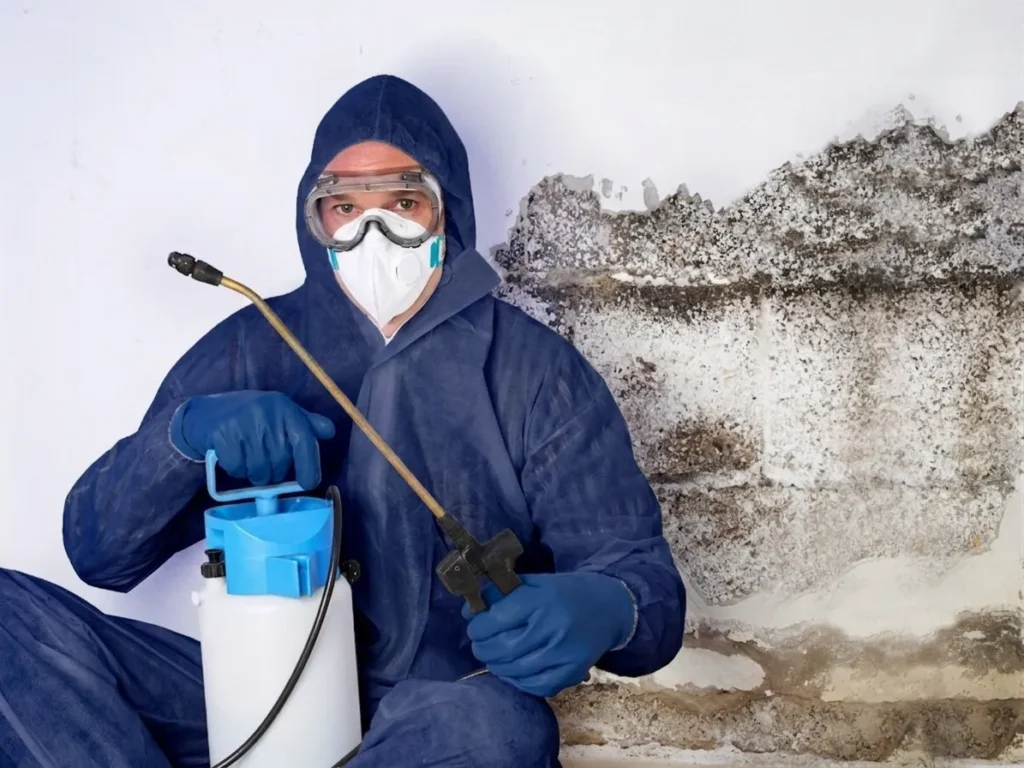
DIY cleaning can be appropriate for very small, surface-level mold on non-porous materials. Professional remediation is recommended when:
- The affected area exceeds roughly 10 square feet
- Mold is growing on porous materials like drywall, insulation, or carpet
- The moisture source is hidden (behind walls, under flooring)
- Mold has returned after previous cleaning attempts
- Household members are experiencing respiratory symptoms
For more on the remediation process itself, see our Black Mold Remediation Guide.
People Also Ask
What temperature stops mold growth? Most household molds grow best between 60–80°F and become dormant, though not necessarily dead, at colder temperatures. Freezing does not reliably kill mold, and it can resume growing once conditions warm again.
Can mold grow without water damage? Yes. Persistently high indoor humidity or condensation alone can support mold growth even without a leak or flood event.
How do I know if mold growth is still active? Active mold often appears slightly wet, slimy, or darker in color, while dormant or dead mold tends to look dry, powdery, and lighter. A professional inspection can confirm activity level.
Does painting over mold stop growth? No. Painting over mold traps moisture and organic material underneath, often allowing growth to continue behind the new paint layer.
If you’re seeing early signs of mold growth anywhere in your home, catching it now can save thousands later. Get a Free Moisture Assessment.
Frequently Asked Questions About Mold Growth In Atlanta
How does mold growth actually start in a home?
Mold Growth in Atlanta starts when airborne spores land on a damp, organic surface, like water-damaged drywall or wood, and begin to colonize, typically within 24–48 hours of sustained moisture exposure.
What is the biggest cause of mold growth in Atlanta homes?
High ambient humidity combined with hidden plumbing leaks and poorly ventilated crawlspaces are the most common drivers of mold growth throughout the Atlanta metro.
How can I prevent mold growth in my basement?
Control humidity below 50% with a dehumidifier, ensure proper grading and gutter drainage, and address any foundation seepage promptly.
Can mold growth happen in a new home?
Yes. New construction can still experience mold growth if moisture control during and after building wasn’t adequate, or if a leak occurs post-construction.
How long does it take to notice Mold Growth in Atlanta after a leak?
Visible mold growth can appear within days of a leak if the area isn’t dried within the first 24–48 hours.
Is all Mold Growth in Atlanta visible to the eye?
No. Mold growth frequently occurs behind walls, under flooring, or inside HVAC systems, which is why persistent musty odors without visible mold still warrant a professional inspection.
Does Mold Growth in Atlanta affect my home’s structure?
Extensive, prolonged mold growth can weaken porous building materials like drywall and wood over time, which is another reason early intervention matters.
What’s the fastest way to stop active mold growth?
Removing the moisture source, drying the area thoroughly, and, for anything beyond a small surface area, bringing in a certified remediation professional to contain and treat the space properly.
Conclusion
Mold Growth in Atlanta isn’t random, it follows a predictable pattern driven by moisture, warmth, and time. Understanding that pattern is the single best tool Atlanta homeowners have for staying ahead of it, whether that means fixing a leak within the critical 24–48 hour window, controlling indoor humidity, or knowing when a musty smell means it’s time to call in a professional.
Georgia’s climate isn’t going to get less humid, but with the right prevention habits and a fast response when moisture does get in, mold growth doesn’t have to become a costly problem in your Atlanta, Marietta, Roswell, or Lawrenceville home.
Air Drop Water Restoration provides moisture inspections, mold prevention guidance, and full remediation services across the Atlanta metro, 24/7. Contact us today to catch mold growth before it spreads.